
Highlights:
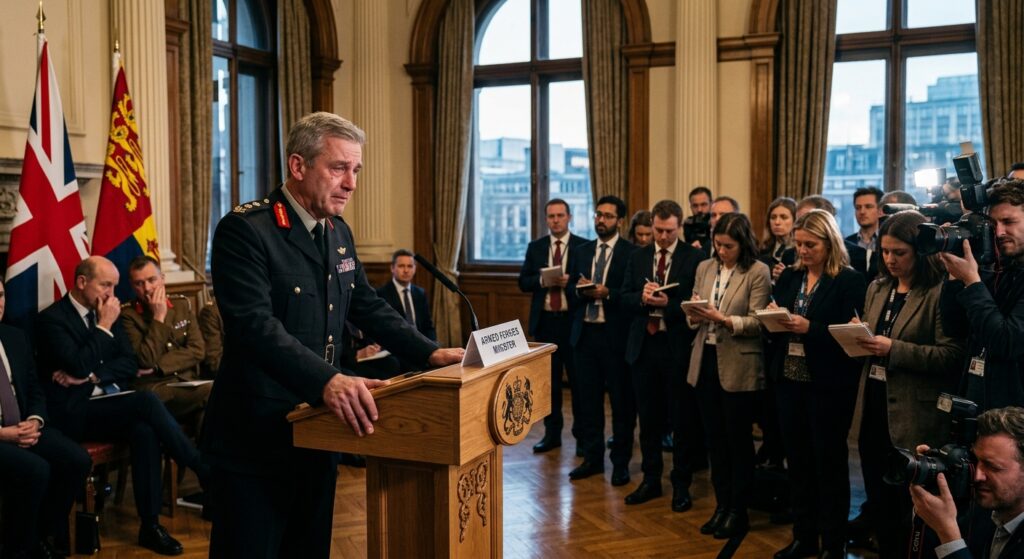
– Al Carns resigns as armed forces minister over inadequate funding for the military, following former Defence Secretary John Healey’s exit.
– Sir Keir Starmer defends his government’s defence investment plan, asserting it provides necessary resources amid growing internal dissent.
– The resignations and funding disputes expose leadership challenges for Starmer, especially with upcoming elections and significant defence spending commitments.
Introduction: Turmoil in Defence Leadership
The resignation of Al Carns from his role as armed forces minister marks a significant shift in the UK’s military leadership amidst escalating concerns over defence funding. Carns’ departure follows closely behind that of former Defence Secretary John Healey, both of whom cited inadequate military budget proposals as the catalyst for their exits. The implications of these resignations touch not only the strategic posture of Britain’s armed forces but also the broader political stability of Prime Minister Sir Keir Starmer’s administration.
As geopolitical tensions mount and the military landscape becomes increasingly complex, adequate defence funding has never been more critical. The internal discord within the Labour government raises questions about its capability to address these pressing issues, leaving stakeholders worried about the future security of the nation.
The Brink of a Defence Funding Crisis
The crux of the current crisis lies within the government’s Defence Investment Plan (DIP), which has been criticized for its limited scope and perceived underfunding. Al Carns, in his resignation letter, expressed a strong belief that the government’s plans were neither transformative nor adequately resourced to defend against contemporary threats. His outspoken sentiment was echoed by Healey, who warned that the proposed military budget fell dramatically short of what was necessary for national security.
With the new Defence Secretary Dan Jarvis now at the helm, the government faces the urgent challenge of re-evaluating the DIP. The plan was originally due for release last autumn, but delays have compounded the situation, leading to increased scrutiny from Parliament and the public. Ahead of a critical NATO summit in Turkey, the government is under pressure to establish a comprehensive and well-funded blueprint.
The Path Forward: Implications and Solutions
The implications of these resignations extend beyond mere personnel changes; they encapsulate the larger struggle within the Labour Party regarding military readiness and financial priorities. With Labour candidate Andy Burnham gearing up for a pivotal by-election, the political ramifications are poised to threaten Starmer’s leadership amidst growing calls for an overhaul of his cabinet. Internal conflicts regarding defence spending have surfaced at a precarious time, complicating efforts to project unity and decisive governance.
In his attempt to address these profound challenges, Prime Minister Starmer has asserted a commitment to increasing defence spending to 3.5% of the UK’s gross domestic product by 2035. However, specific funding strategies remain hazy, with hints of spending cuts across government departments to accommodate these defence priorities. This raises critical questions about the sustainability of such funding models and the potential impact on public services, presenting a complex calculus for the administration moving forward.
In summary, the Hendricks circumstances surrounding Al Carns and John Healey’s resignations point to deeper issues within the government’s defence strategy. As the Labour Party braces itself for upcoming electoral challenges, will the government be able to reconcile its spending priorities with national security needs? Can Sir Keir Starmer restore confidence within his party and the public, and what role will the newly appointed Defence Secretary play in shaping a new direction for the armed forces? These questions linger as the UK navigates a tumultuous political landscape.
Editorial content by Jamie White