

Highlights
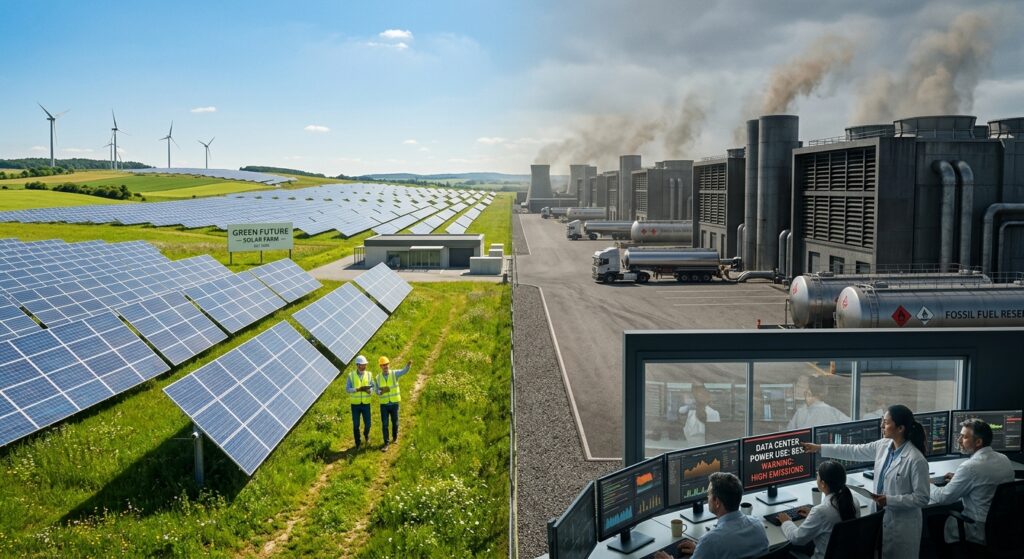
- Solar energy is projected to surpass fossil fuels, becoming the leading power source within a decade.
- Significant economic factors, including declining costs and rising demand, are propelling solar’s rapid growth.
- The transition to renewable sources could enhance energy independence for countries worldwide.
The Future of Energy: A New Dawn for Solar Power
As the world grapples with support for greener energy solutions, a report by BloombergNEF brings promising news regarding solar energy. It predicts that solar power will not just be an alternative but the dominant source of energy within the next decade, surpassing coal, oil, and natural gas. This transition comes at a crucial time when the demand for energy is set to increase exponentially due to advancements in technology, particularly artificial intelligence and the electrification of various industries.
The significance of this shift extends beyond environmental concerns; it stands as a pivotal chance to reshape economies and create a sustainable future. Matthias Kimmel, BloombergNEF’s head of energy economics, emphasizes that economic factors are driving this transition. As countries adopt more aggressive measures to limit carbon emissions, the rapid expansion of solar capabilities may accelerate in various regions, showcasing the potential for a cleaner and more sustainable energy landscape.
Solar Power: The Rising Star of Energy Generation
The rapid adoption of solar energy can largely be attributed to its economic viability. For instance, Pakistan recently added 25 gigawatts of solar capacity in just two years, spurred by soaring natural gas prices due to international tensions, namely Russia’s invasion of Ukraine. Interestingly, the expected impact of data centers on energy generation is immense, with projections suggesting they could lead to the creation of an additional 1 terawatt of solar capacity and influence the availability of fossil fuels like natural gas and coal in the upcoming decades.
Despite competition from other renewable technologies such as long-duration energy storage, geothermal, and nuclear power, the momentum behind solar remains strong. A combination of aggressive market growth, lowered installation costs, and massive manufacturing outputs has led to lower prices for solar panels. BloombergNEF anticipates that solar energy will generate over double the electricity of natural gas by 2050, with the costs expected to drop another 30% by 2035. This places solar energy not only at the forefront of the renewable sector but potentially as the backbone of the world’s energy infrastructure.
Implications of Solar Adoption: Charting a Path Forward
The implications of transitioning to solar energy go beyond simple market dynamics. The potential for improved energy independence is significant. As countries move toward a future powered by solar and other renewable sources, they can significantly decrease reliance on energy imports. Under an economic transition scenario, even oil-rich Saudi Arabia would benefit from a reduced dependency on foreign energy. This shift not only enhances national security but also aligns with global sustainability goals.
However, for this transformation to be successful, the global community must prioritize investments in renewable technologies and infrastructure. The growing battery storage market, for instance, reflects an emerging trend toward hybrid systems that balance solar power supply fluctuations. The report from BloombergNEF highlights that as solar energy saturates the market, it could reshape energy strategies in countries worldwide, fostering not just a cleaner but a more autonomous energy future.
In summary, the rising prominence of solar energy heralds a transformative phase for global energy production. As we stand on the cusp of this significant transition, what strategies should countries employ to capitalize on solar’s potential? Will the simultaneous development of complementary technologies, such as energy storage and grid enhancements, lead us to a truly sustainable energy future? How can nations ensure equitable access to these renewable resources as they evolve?
When you purchase through links in our articles, we may earn a small commission. This doesn’t affect our editorial independence.
Editorial content by Casey Brown