
- Sir Keir Starmer vows to remain committed to leading Labour amidst turmoil, including multiple ministerial resignations.
- Greater Manchester Mayor Andy Burnham expresses intentions to challenge Starmer’s leadership, advocating for significant changes within the party.
- The impending by-election in Makerfield has sparked debates about Labour’s stance on Brexit and the need to connect with working-class voters.
Labour’s Leadership Crisis: A Call for Change
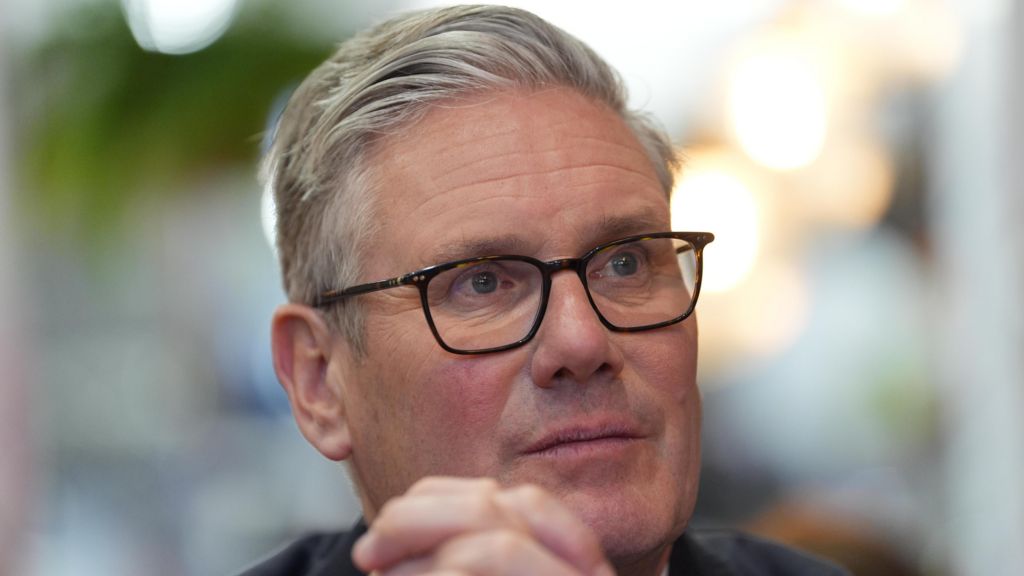
The Labour Party is at a critical juncture, facing significant challenges in leadership and direction. Sir Keir Starmer, the current leader, has publicly expressed his commitment to remain in his role despite a series of recent turbulence that included five ministerial resignations. Starmer emphasized that his primary focus is on serving the people and fulfilling the responsibilities of his position. This commitment is particularly significant as it comes at a time when confidence in party leadership may be wavering.
The ongoing political landscape highlights a struggle for both Starmer and the Labour Party as they navigate public perception and internal politics. Mayor of Greater Manchester, Andy Burnham, has now positioned himself as a potential challenger, indicating that the electorate demands meaningful change. This situation serves as a stark reminder of the evolving dynamics within Labour and raises questions about its future trajectory and voter trust.
Exploring the Core Issues within Labour
As Burnham prepares to contest for the Labour candidacy in the Makerfield constituency, his message is clear: the current state of the party is unsatisfactory, and a stronger connection to local issues is paramount. During a recent investment summit, he proposed a radical shift in how resources are allocated, arguing for a stronger local governance system. Burnham’s proposition underscores the idea that Labour’s message to the electorate has not sufficiently resonated, thereby urging a reconsideration of priorities to rebuild voter trust.
Amidst this backdrop, former health secretary Wes Streeting has sparked discussions regarding Labour’s stance on Brexit, advocating for a revitalized relationship with the European Union. Streeting’s comments, while positioning him as a contender for leadership, reflect a growing desire among some within the party to reassess the limits of Brexit. However, Burnham has cautioned against reigniting debates that could further divide the party, presenting a more cautious perspective on the matter as they face a crucial electoral battle.
Implications for Labour’s Future and Strategy
The implications of this internal strife are profound. With the upcoming by-election in Makerfield, which has been characterized by a notably high support for Brexit, Labour’s ability to unify behind a common message will be tested. Sir Keir Starmer has made it clear that he will not step down even if Burnham succeeds in securing a parliamentary seat. This indicates a potential collision course between established leadership and new voices demanding change.
Starmer’s insistence on supporting the party candidate reflects the need for solidarity within Labour, especially as opposition parties, including the Reform Party led by Nigel Farage, actively target these constituencies. Labour representatives warn that without a cohesive strategy and a focus on connecting with working-class voters, the party risks being left behind, potentially ceding ground to opponents.
In conclusion, Labour stands at a pivotal moment where leadership clarity and electoral strategy must intersect. The question remains: How will the party navigate these internal challenges to regain public trust? What steps can Labour take to ensure that it reflects the needs and sentiments of its constituents moving forward? Will the party look to its grassroots leaders like Burnham to propel necessary changes, or will it double down on its current course? These questions will shape the discourse in the coming months as Labour prepares for future elections.
Editorial content by Skyler Grey