


Religious Leaders Unite Against Antisemitism: A Call to Action
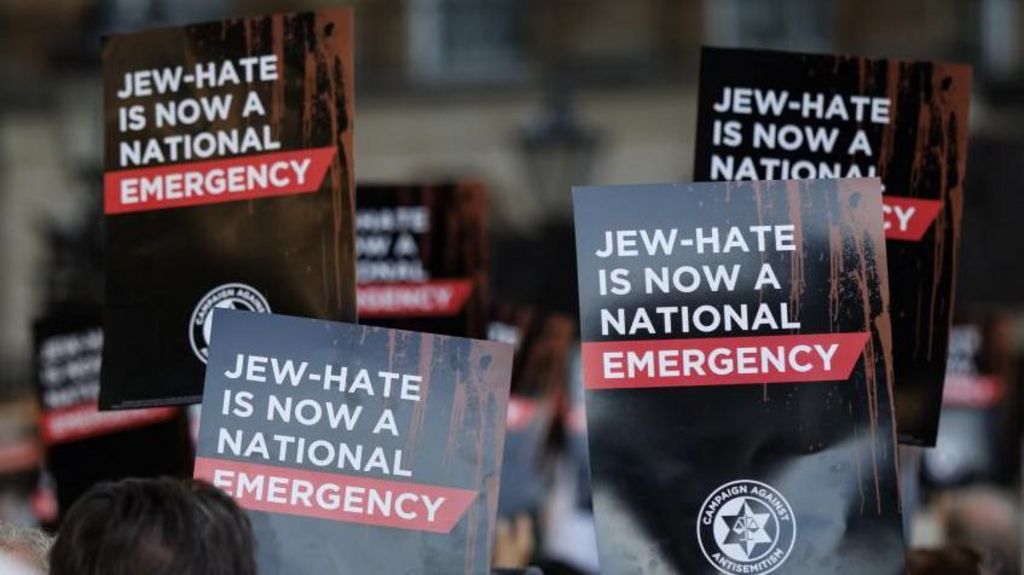
- Religious leaders from various faiths issue a powerful open letter against antisemitism.
- Recent violent attacks on the Jewish community prompt widespread calls for collective responsibility.
- Community leaders emphasize unity to combat hate and protect minority groups.
Facing a Resurgent Threat
In recent months, the United Kingdom has witnessed a troubling rise in antisemitic incidents, stirring widespread concern among various communities. In a significant gesture of solidarity, leaders from multiple faith traditions—including Christian, Muslim, Sikh, Hindu, and Zoroastrian—came together to publish an open letter condemning the violence and discrimination faced by the Jewish community. This letter, organized by the Together Coalition, was poised to garner attention ahead of a rally aimed at demonstrating support for British Jews.
The letter describes the current climate as a “nightmare from another time,” referencing alarming events such as the recent stabbing of two Jewish men in Golders Green. The act of unifying diverse voices against antisemitism underlines the urgency of the situation and reinforces the message that injustice against one community ultimately affects us all. The involvement of prominent figures not only adds weight to the call for action but also emphasizes the idea that the fight against hate is a shared responsibility across society.
Unpacking the Call for Unity
The core message from the letter is clear: antisemitism should not be regarded as a Jewish issue alone but rather as a societal problem requiring a collective response. The signatories boldly stated, “This is not a problem for Jewish people to have to respond to. This is a problem for all of us to fix.” As incidents of violence against Jewish individuals escalate—including attacks on synagogues and Jewish charity-owned ambulances—the urgency expands beyond mere dialogue.
Chief Rabbi Sir Ephraim Mirvis praised the letter as a formidable counter to the hateful extremists targeting the Jewish community, expressing hope that this collective stance will resonate across workplaces, schools, and social media. In a parallel message, Brendan Cox, co-founder of the Together Coalition, highlighted the divisive tactics employed by extremists who aim to pit communities against one another. The letter thus serves as a rallying cry for mutual respect and constructive action among all groups.
Toward a Safer Society
The implications of this open letter extend far beyond its immediate message of solidarity; it represents a landmark moment in which different communities can unite in combating hate. Through collaboration, the involved leaders aim to foster an environment where diverse faiths and backgrounds can coexist peacefully. Julie Siddiqi, co-chair of the UK Muslim Network, underlined the shared experiences of various religious groups standing against violence due to faith, signaling a potential alliance in the fight against extremism.
Looking forward, the call to action from the religious leaders emphasizes the need for structural change within society to address the roots of hatred and division. The critical dialogue initiated by this open letter furthers the conversation around inclusivity and community safety. It encourages individuals and institutions alike to actively stand against bigotry and support one another.
In conclusion, the recent open letter from religious leaders underscores a pivotal moment in the fight against antisemitism in the UK. The unity expressed serves as a significant step forward in advocating for a more inclusive society. As communities rally against hate, one must wonder: What further actions can individuals take to support marginalized groups? How can we ensure that this solidarity translates into lasting change? In what ways can the collective voice against hate shape the narrative of our shared future?
Editorial content by Jordan Black